Dicerothamnus rhinocerotis
Indigenous
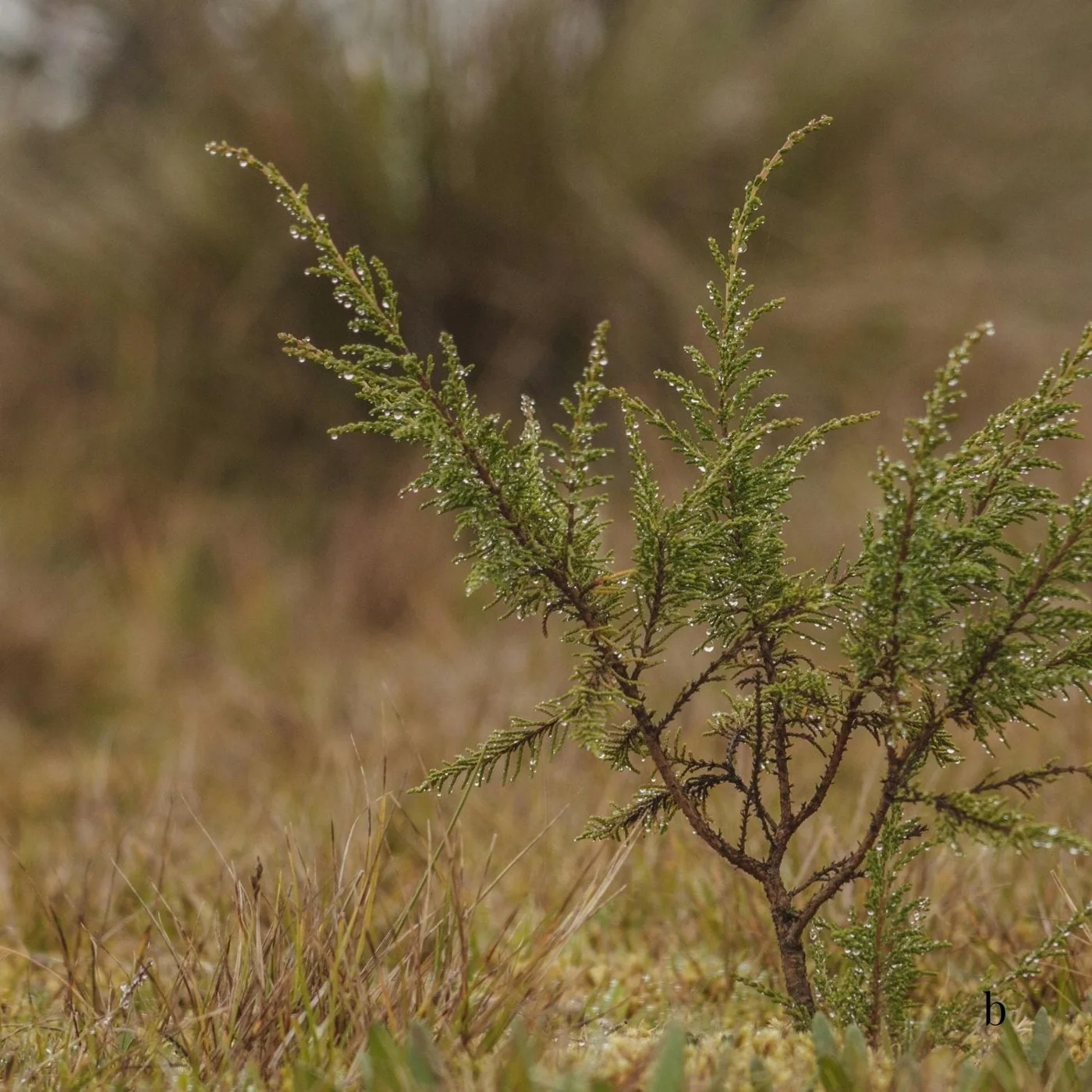
Known as the ultimate Cape “maag-bitter,” Renosterbos is a heritage powerhouse for digestive health and respiratory support. While its resinous bitterness is too intense for a main dish, it adds a pine-like flavour to botanical salts and savoury rubs.
This hardy survivor carries a storied history, serving as a vital “huis-apotheek” staple during the 1918 flu epidemic.

THE RHINO CONNECTION
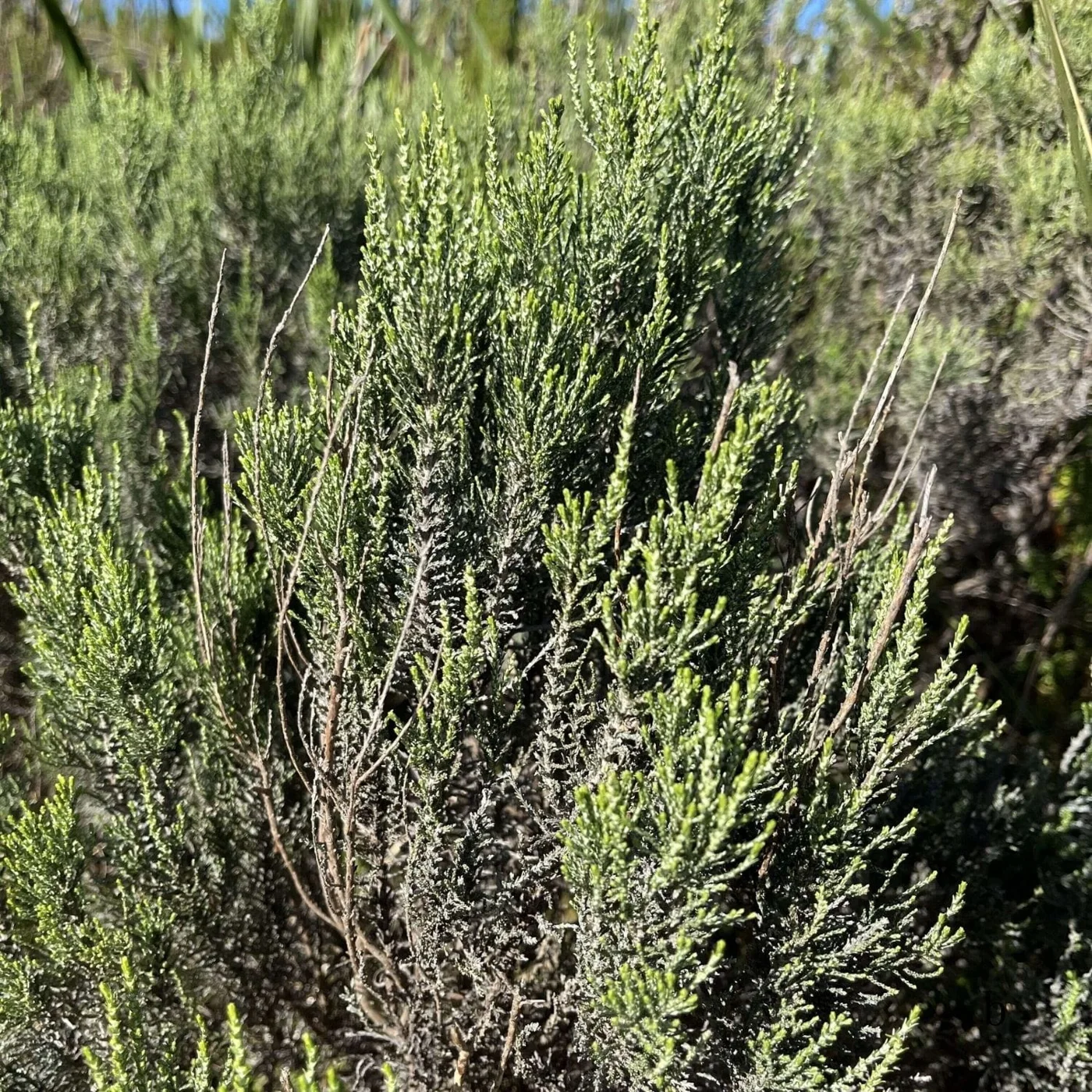
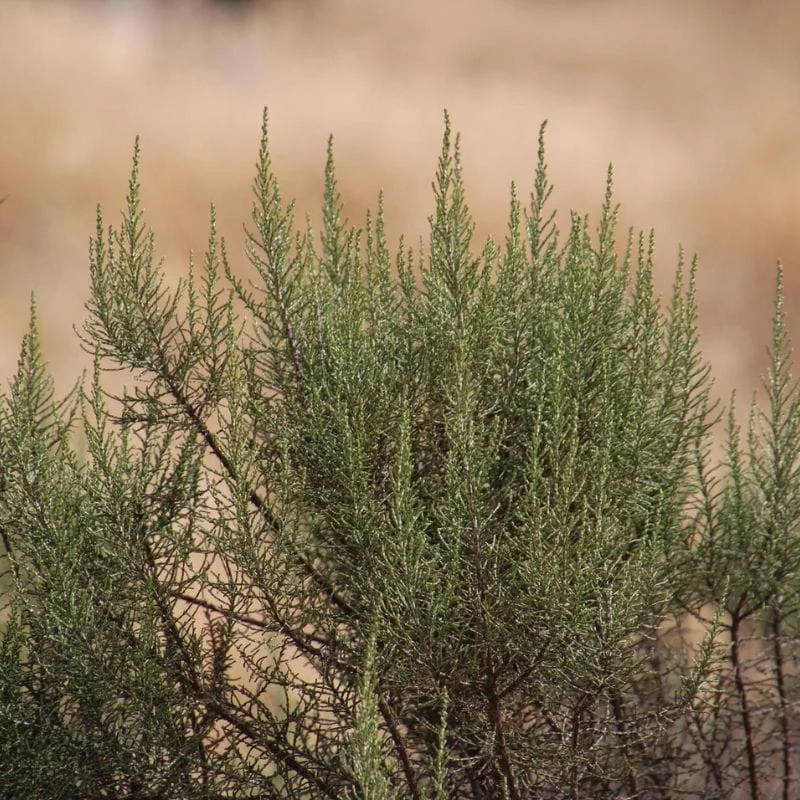
While the rhinoceros doesn’t eat the mature, bitter bush, they were frequently seen standing in the thickets or browsing on the very young, tender shoots. The grey, scaly appearance of the branches so closely resembles the skin of a rhino that the name stuck across every language.
THE HERBAL APOTHECARY
Renosterbos is a powerful digestive and respiratory ally in the “Home Healer” cabinet. It is a traditional remedy for indigestion, stomach cramps, and flatulence, typically administered as a tincture or wine. For respiratory ailments, an infusion can be used to treat fevers associated with colds and flu, or used as a gargle for stubborn coughs. It has even been used as a traditional wash for children with fevers or for those suffering from heat-stroke, acting as a cooling and stabilizing influence on the body.


THE NATURAL HOME
In the traditional home, Renosterbos was a multi-purpose tool of efficiency. Because it contains resins that allow it to burn even when damp or green, it was the preferred fuel for heating and ovens. Its pungent, medicinal scent makes it a natural choice for keeping indoor spaces smelling fresh and clean
WHY YOU SHOULD PLANT RENOSTERBOS
Renosterbos is a must-have for the garden because it is a true survivor that asks for very little while giving a great deal in return. It is a water-wise, hardy shrub that provides essential structure and a beautiful grey-green hue to the landscape. It is incredibly tough, and able to withstand harsh conditions