Artemisia abrotanum
WORKER HERB
“Southernwood is hot and dry in the third degree… it is good against the stingings of scorpions and spiders, and driveth away serpents with the smoke or smell thereof; it also helpeth those that are troubled with the cold fit of an ague.” — Culpeper’s Complete Herbal, 1653
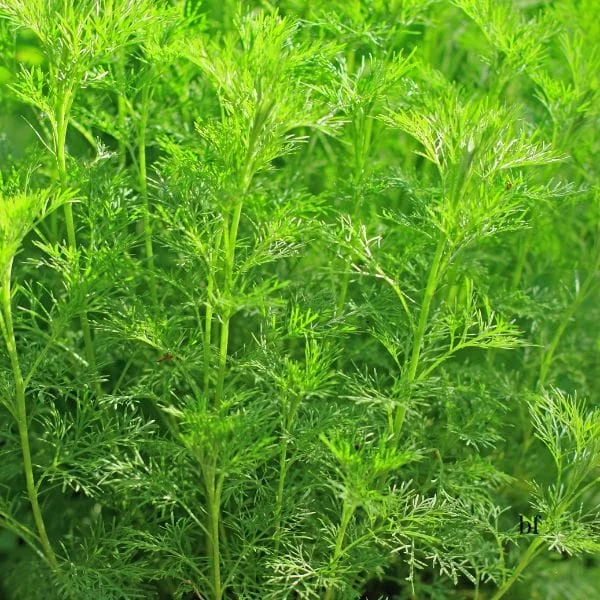
If you walked into a garden centuries ago, this feathery green bush would undoubtedly have been there. Southernwood is a highly aromatic, woody shrub with an intense lemony-camphor fragrance. It was used in every type of home, from peasant cottages to royal households—tucked into scented wardrobe sachets, strewn across floors, and even passed secretly between sweethearts.
THE HERBAL KITCHEN
In the kitchen, southernwood needs a very light hand. It is intensely bitter, lemony, and resinous all at once. Our ancestors used it to flavour wines, ales, and fatty meats like pork, lamb, and duck, utilising its bitterness to slice through the grease and aid digestion.
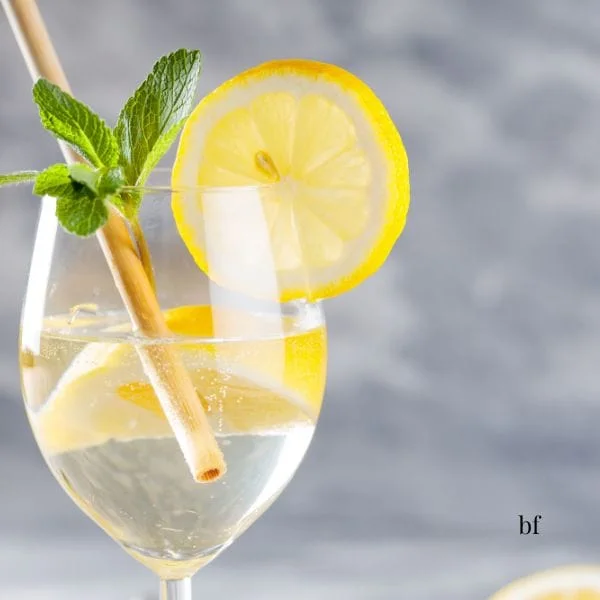
My favourite ways to use southernwood as a culinary herb is in a herbal vinegar, or added to a summer spritzer.
THE HERBAL APOTHECARY
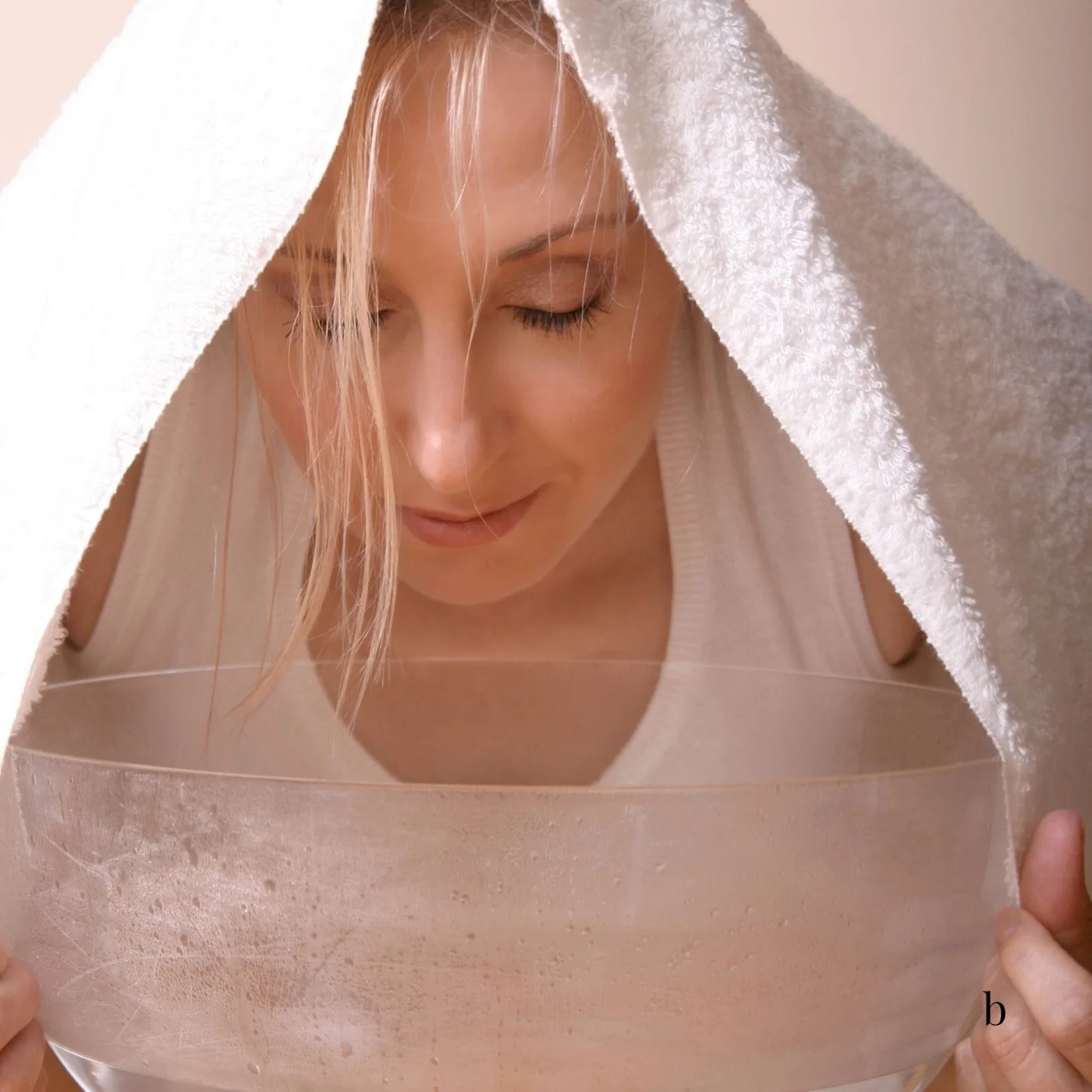
Southernwood is a great herb when it comes to reviving sluggish internal functions and cleaning up the system. True to its bitter Artemisia heritage, a small dose goes a long way to stimulating a stalled digestive tract and cutting through heavy, uncomfortable meals. While it has fallen out of favour in the modern medicine cabinet, it remains a highly valuable ancestral tool for shifting deep-seated congestion and stagnation.
BOTANICAL BEAUTY
Historically the herb was recorded by Renaissance herbalists as a scalp treatment. A strong leaf decoction was mixed with the ashes of the burnt shrub and massaged into the scalp to reverse thinning hair or baldness. An easier way would be to use a strong infusion as a final rinse!

THE NATURAL HOME & GARDEN
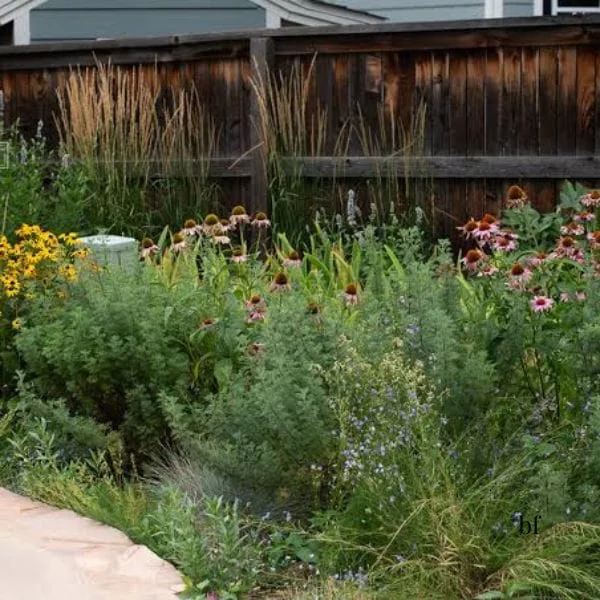
Around the home and garden, southernwood is your ultimate, zero-chemical defense weapon against everyday pests and chaos. Known historically as “Garderobe,” its aromatic foliage is packed with a natural lemony-camphor punch that acts as a deterrent against wardrobe moths. In the garden, this hardy, woody deciduous perennial lives through droughts and remains entirely pest-free, provided you don’t drown its spreading, fibrous roots in heavy, wet clay soil.
It is a fabulous companion plant for brassicas and root veggies and wonderful on a pathway. Brushing against the feathery, grey-green leaves rewards you with an instant, uplifting explosion of fragrance every time you walk past
WHY YOU SHOULD GROW THIS HERB
If you want to bring a piece of history into your space, planting southernwood is a must. It is a beautifully textured, downy bush reaching up to 1.2 metres tall. It handles poor, gravelly, or light sandy soil and will happily live with very little water.
Give it a hard prune in early spring, and you will be rewarded with a massive flush of upright, bushy growth that provides an endless, sustainable supply of aromatic household protection all summer long.
RECIPES
From the kitchen to the garden shed, follow these links for step-by-step guides using [Herb Name]
The Herbal Kitchen
[Link: e.g., Making your own Curry Blend]