Opuntia ficus-indica
FRUIT
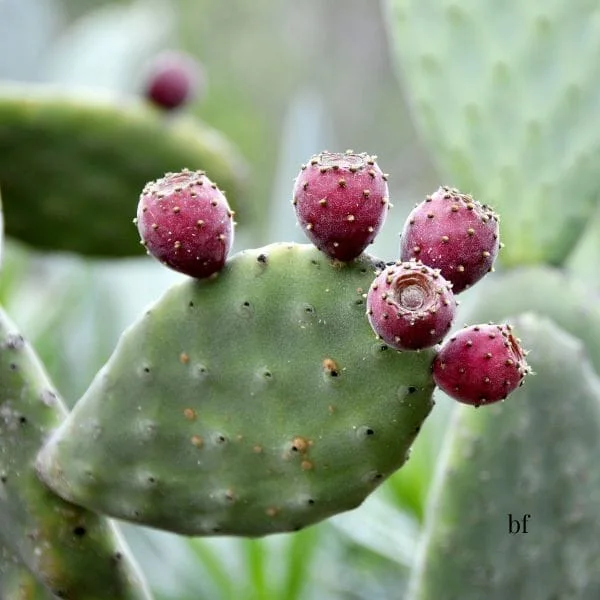
“The Indians make a great revenue of the fruit thereof, which they sell in all their markets, and is their greatest sustenance in the time of the fruit.”
— John Gerard, The Herball, 1597
Prickly pear has a long, resilient history deeply rooted in the arid landscapes of the Americas before spreading across the globe like a botanical wildfire. For centuries, indigenous peoples relied on these hardy plants not only for survival in harsh conditions, but also as a sacred food source and a natural host for cochineal insects used to create vibrant red dyes.
Spanish explorers later carried the pads and fruits across oceans, introducing them to the Mediterranean, Africa, and Australia, where they quickly transitioned from exotic novelties to essential components of local agriculture and folklore.
THE HERBAL KITCHEN
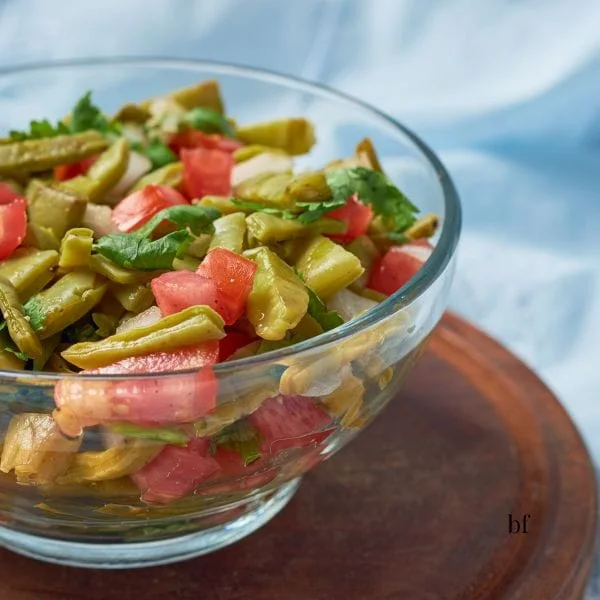
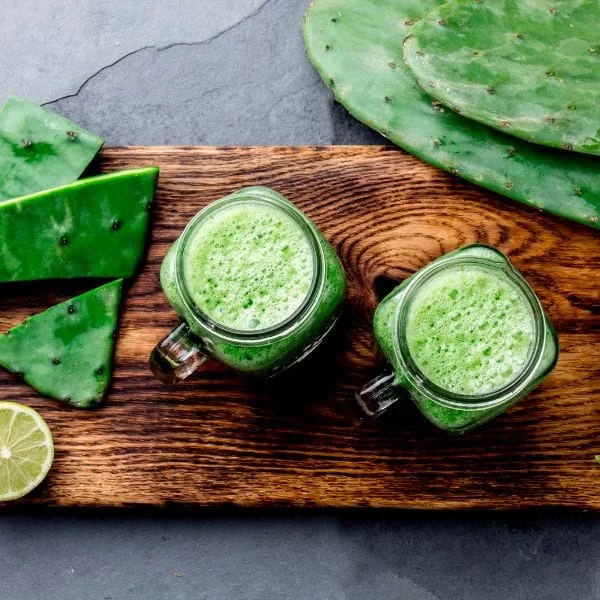
When it comes to the kitchen, this plant is an absolute powerhouse of textures and flavours, offering a dual personality of crisp, refreshing vegetables and sweet, juicy fruits. The young pads, known as nopales, bring an earthy, green-bean tang that shines when they are grilled, sautéed with garlic and chilli, or pickled with oregano for a sharp crunch.
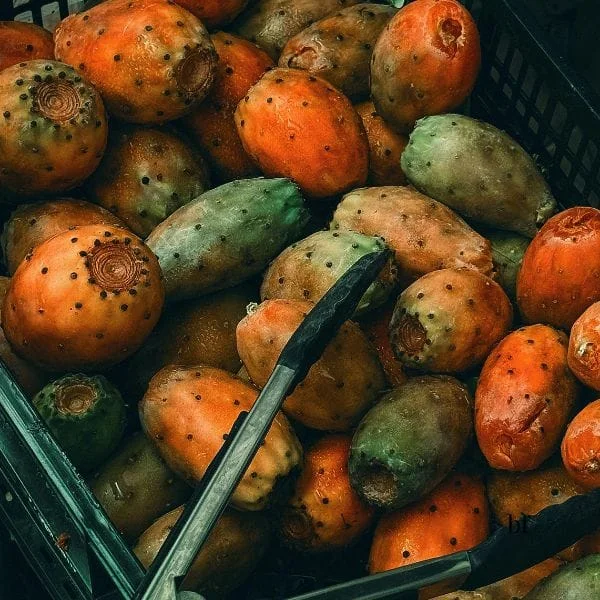
Meanwhile, the vibrant fruits offer a dense, sugary sweetness that can be boiled down into rich syrups, chilled into refreshing juices with a hint of mint, or transformed using balsamic vinegar into deep, complex sweet-and-sour glazes.
THE HERBAL APOTHECARY
Medicinally, the plant has long been valued as a soothing shield for irritated tissues and a helper for sluggish systems. Traditional herbalists have turned to the mucilaginous flesh of the pads to cool inflammation, soothe digestive discomfort, and dress minor burns or scrapes. The high soluble fibre content helps bring balance to blood sugar levels and supports healthy cholesterol, making this resilient cactus a powerful, down-to-earth remedy straight from nature’s pharmacy.
BOTANICAL BEAUTY
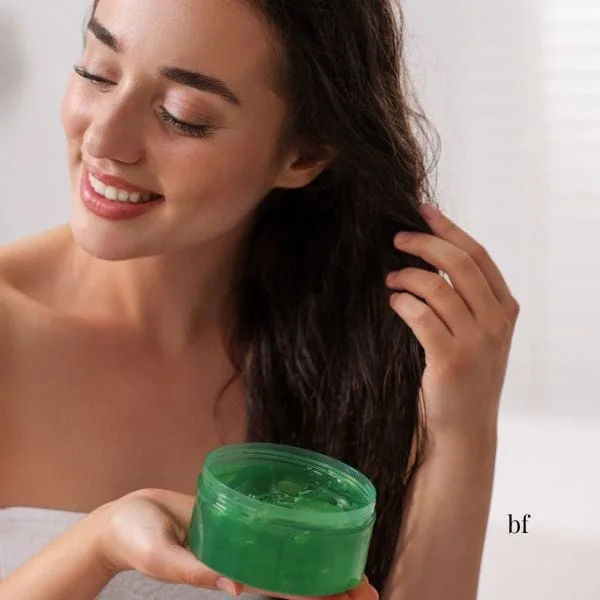
Beyond the kitchen and medicine chest, prickly pear works wonders on your outer shell, offering deep hydration and protection against the elements.
And it also works wonders on your tresses – Think about it, have you ever seen a Mexican with dry and damaged hair?
THE NATURAL HOME & GARDEN
In the home you can make use of the sticky gel by creating a glue for crafts, a lime wash for your walls, or a polish for your floors.
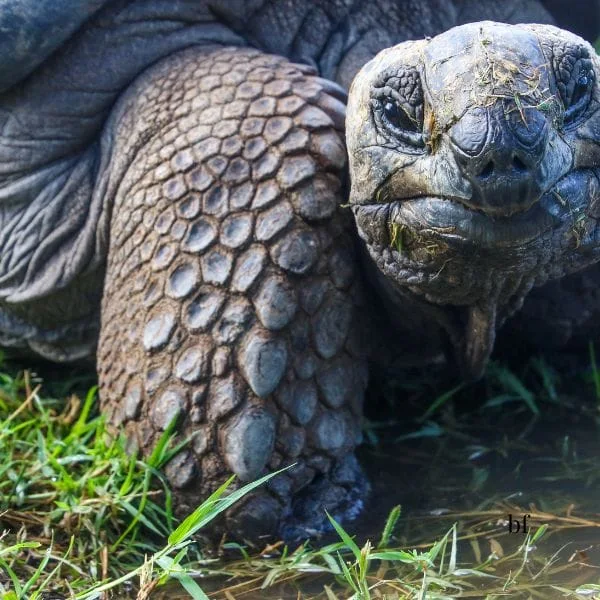
When it comes to the garden, it is a great pollinator magnet, food for your tortoise, and you will go a long way to find a better security fence!
WHY YOU SHOULD GROW THIS HERB
As wonderful as this cactus is, it is an invader in South Africa, so I am not going to recommend you plant it. However, they grow in many older gardens, on small holdings and in the veld, so have a look around, this is a plant you want to eat!
RECIPES
From the kitchen to the garden shed, follow these links for step-by-step guides using Prickly Pear
The Herbal Kitchen